

Washing clothes is part of daily life for many people. But not all clothes are the same. Some are made from cotton. Others are made from wool or silk. Each fabric needs a special way to wash it. Too much heat or strong washing can ruin clothes. So, how do washing machines know what fabric they are washing? The answer is smart washing machines. These machines can detect fabric types. Let’s learn how they do it.
Why Fabric Detection Matters
Clothes come in many fabrics. Cotton is soft and strong. Wool keeps you warm but can shrink. Silk is smooth but delicate. Washing machines need to know the fabric type. This helps the machine choose the right water temperature, washing time, and spin speed. If the machine uses the wrong settings, clothes can get damaged or dirty. Fabric detection helps protect clothes and keeps them clean.
What Makes a Washing Machine Smart?
A smart washing machine uses special sensors and technology. These parts help the machine “understand” the clothes inside. Older machines just use time and water levels. Smart machines do more. They can sense fabric type, dirt level, and load size. This way, they use the best washing method for each load.
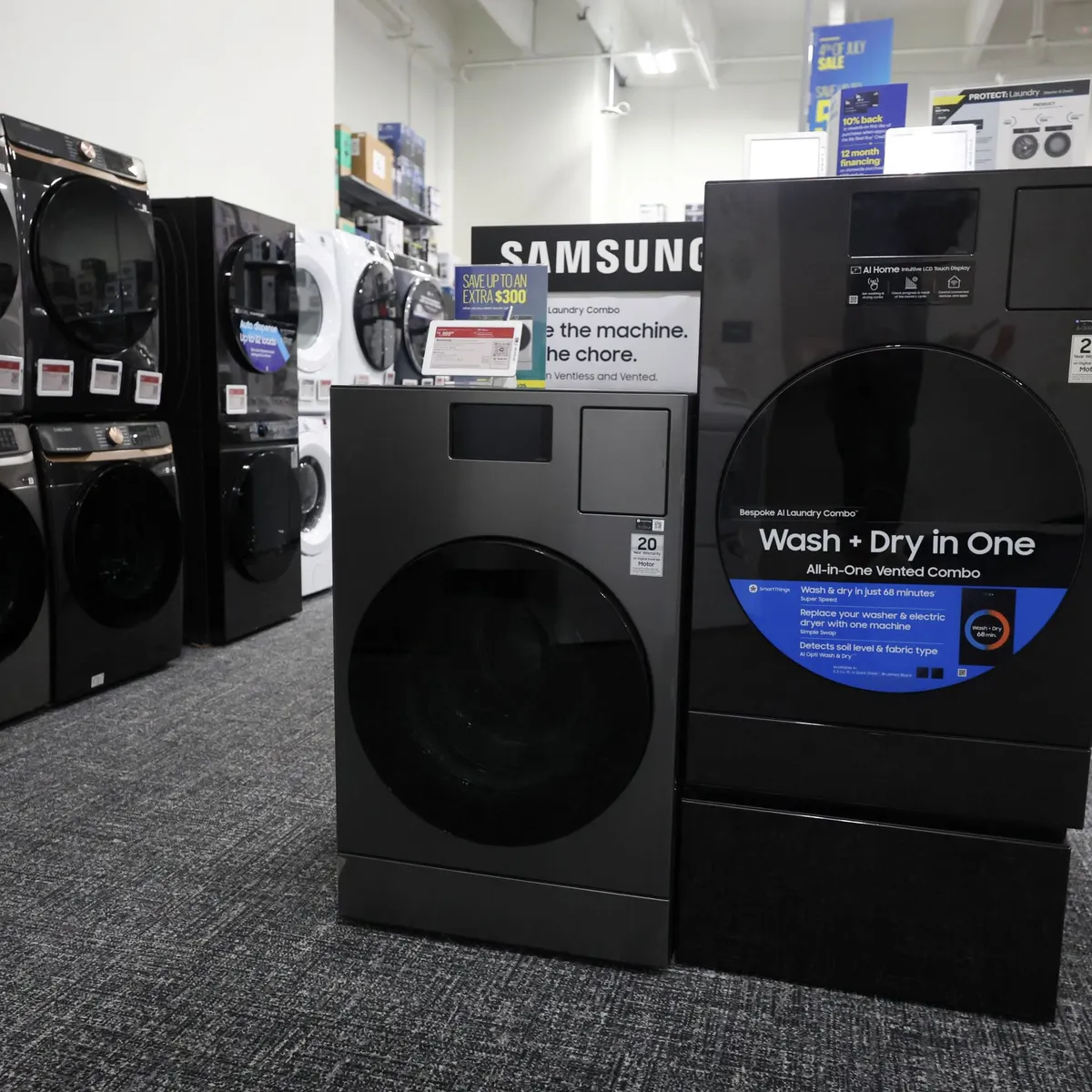
Credit: www.utilitydive.com
How Do Smart Washing Machines Detect Fabric Types?
Smart washing machines use a few key methods to detect fabric types. These methods work together to make good choices. Let’s look at the most common ways:
1. Sensors Measure Fabric Texture
One way machines detect fabric is by feeling the texture. Sensors inside the drum touch the clothes. They check how rough or smooth the fabric is. Cotton feels different than silk or wool. The machine uses this information to guess the fabric type.
2. Weight And Thickness Sensors
Some fabrics are heavier or thicker than others. Wool clothes are thick and heavy. Polyester is light and thin. Smart machines measure the weight of the load. They also check how thick the clothes feel. This helps the machine decide what fabric might be inside.
3. Moisture And Water Absorption Sensors
Different fabrics absorb water differently. Cotton absorbs a lot of water. Synthetic fabrics do not. Machines can measure how wet clothes get during washing. They watch how fast water soaks in. This helps tell what fabric is inside.
4. Optical Sensors And Cameras
Some smart machines use small cameras or light sensors. These check the color and pattern of the fabric. They also look at the fabric’s surface closely. This helps the machine identify delicate fabrics like silk or lace.
5. Sound Sensors
This may sound strange, but some machines listen to sounds. When clothes move or rub inside the drum, they make noise. Different fabrics make different sounds. Wool sounds soft and muffled. Cotton sounds louder. Machines use microphones to hear these sounds and guess the fabric type.
What Happens After the Machine Detects Fabric?
After the machine knows the fabric type, it chooses the best wash settings. These include:
- Water Temperature: Hot water for cotton, cold for wool or silk.
- Washing Time: Longer for dirty cotton, shorter for delicate fabrics.
- Spin Speed: Fast for strong fabrics, slow for delicate ones.
- Detergent Amount: Some machines adjust how much detergent to use.
This smart choice helps keep clothes clean and safe. Clothes last longer and look better.
Benefits of Fabric Detection in Washing Machines
Why is fabric detection important for you? Here are some benefits:
- Better Care: Clothes get washed with the right settings.
- Less Damage: Delicate fabrics don’t get ruined.
- Energy Saving: Machine uses only what it needs.
- Water Saving: Less water is wasted when washing.
- Time Saving: Washing cycles are not longer than needed.
Examples of Smart Fabric Detection Technology
Many washing machine brands now use fabric detection. Some use special sensors. Others use smart chips and programs. Here are some technologies used:
| Technology | How It Works | Benefit |
|---|---|---|
| Touch Sensors | Measure fabric roughness | Detect cotton, wool, silk easily |
| Weight Sensors | Check load weight and thickness | Helps adjust water and spin speed |
| Moisture Sensors | Measure water absorbed by fabrics | Choose correct wash time and temp |
| Optical Sensors | Scan fabric surface and color | Detect delicate fabrics like silk |
| Sound Sensors | Listen to fabric movement sounds | Identify different fabric types |
Challenges in Fabric Detection
Detecting fabric types is not always easy. Some challenges include:
- Mixed Loads: Clothes with many fabric types confuse sensors.
- New Fabrics: Some fabrics are new and unknown to machines.
- Sensor Limits: Sensors can make mistakes sometimes.
- Cost: Smart machines are often more expensive.
Despite these challenges, fabric detection keeps improving with technology.

Credit: www.samsung.com
Tips to Help Your Washing Machine Detect Fabric Better
You can help your smart washing machine work well. Here are some tips:
- Do not mix very different fabrics in one load.
- Read care labels on your clothes before washing.
- Remove heavy or large items like blankets from small loads.
- Keep sensors clean and free from dust or dirt.
- Use the machine’s special fabric or smart wash programs.
The Future of Fabric Detection
Fabric detection will get better in the future. New sensors and smart software will help machines learn more. Machines may even talk to your phone. They could tell you how to wash clothes best. This will make washing easier and safer for your clothes.
Summary
Smart washing machines use sensors to detect fabric types. They check texture, weight, moisture, color, and sounds. This helps the machine choose the best washing settings. Fabric detection protects clothes from damage. It saves water, energy, and time. Even with some challenges, this technology helps many families wash clothes better.
Next time you use a smart washing machine, remember how it knows your fabric type. It is technology working quietly to keep your clothes clean and safe.
Frequently Asked Questions
How Do Smart Washing Machines Detect Fabric Types?
Smart machines use sensors to check fabric texture, weight, and moisture for precise washing.
What Sensors Help Identify Different Fabrics In Washing Machines?
Common sensors include moisture sensors, pressure sensors, and optical sensors to analyze fabric.
Can Smart Washers Protect Delicate Fabrics Automatically?
Yes, they adjust water temperature and cycle speed to avoid damage to delicate fabrics.
Do Smart Washing Machines Save Energy By Detecting Fabrics?
Yes, fabric detection helps optimize water and energy use, reducing waste.