
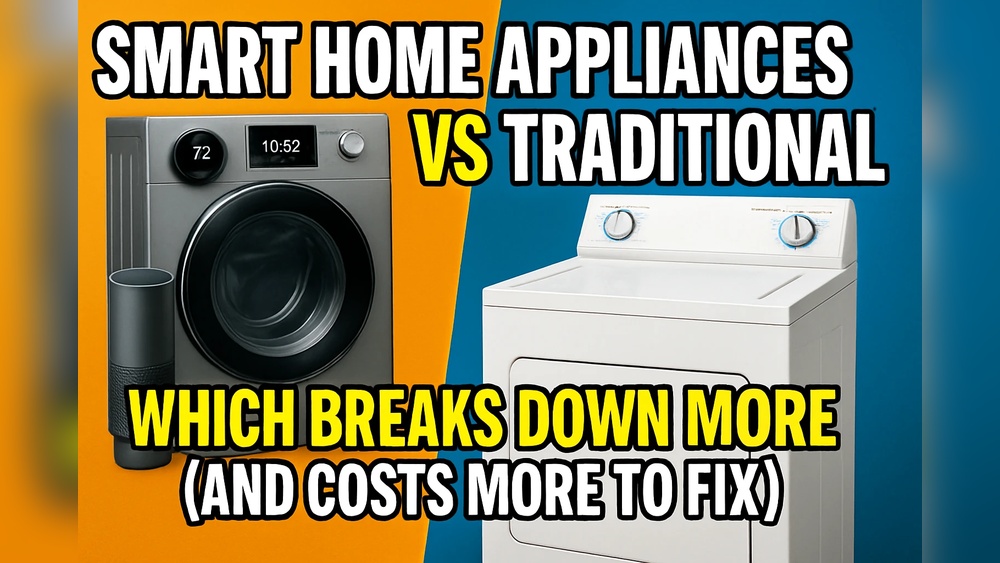
Washing machines help us clean clothes every day. They save time and energy. But not all washing machines are the same. There are two main types: traditional and smart washing technology. Each type works differently. Each has its own benefits and limits. In this article, we will explain the key differences between them. We will also help you understand which one might be best for you.
What is Traditional Washing Technology?
Traditional washing machines have been around for many years. They use simple methods to clean clothes. Usually, they have a drum that spins and moves clothes. The machine adds water and detergent to wash clothes. You set a timer or choose a program. The machine then runs the wash cycle automatically.
There are two main types of traditional washing machines:
- Top-load washers: Clothes go in from the top. The drum moves clothes around in water.
- Front-load washers: Clothes go in from the front. The drum rotates horizontally.
Traditional washers work well. They clean clothes using water, detergent, and motion. But they do not have many extra features. You must choose the settings yourself. They do not learn or change by themselves.
What is Smart Washing Technology?
Smart washing machines are newer. They use technology to make washing easier. These machines connect to the internet. They can be controlled by a phone app or voice commands.
Smart washers can:
- Detect the type of clothes inside.
- Adjust water and detergent use automatically.
- Choose the best washing cycle for your clothes.
- Send alerts when washing is done.
- Work with other smart home devices.
With smart technology, washing becomes more efficient. It can save water, energy, and time. Smart machines also offer more convenience.

Credit: www.amazon.com
Key Differences Between Traditional and Smart Washing Technology
| Feature | Traditional Washing Technology | Smart Washing Technology |
|---|---|---|
| Control | Manual control with buttons and dials. | Remote control via smartphone or voice. |
| Water and Detergent Use | User decides amount of water and detergent. | Machine adjusts water and detergent automatically. |
| Wash Programs | Limited set of fixed programs. | Many programs that adapt to clothes type. |
| Energy Efficiency | Uses more energy and water on average. | Designed to save energy and water. |
| Connectivity | No internet connection. | Connects to Wi-Fi and smart home systems. |
| Alerts and Notifications | No alerts or notifications. | Sends alerts when washing is done or problems occur. |
| Price | Generally less expensive. | Usually more expensive due to extra features. |
| Maintenance | Simple maintenance. | May require software updates and tech support. |

Credit: aromacountry.com
Advantages of Traditional Washing Technology
Traditional washing machines have many benefits. They are easy to use. People know how they work. They do not need internet or apps. This makes them good for places without good internet. They are also usually cheaper. If your budget is small, a traditional machine is a good choice.
Traditional washers are strong and reliable. Many models last for years without problems. Repair parts are easy to find. Repair costs tend to be low.
Advantages of Smart Washing Technology
Smart washing machines offer new benefits. They save water and energy. This helps reduce bills and protect nature. Smart machines also make washing easier. You can start or stop washing from anywhere. You do not have to wait at home.
Smart machines can select the best wash settings. This helps protect your clothes. They also remind you when to clean the machine. This keeps it working well for longer.
Which One Should You Choose?
Choosing between traditional and smart washing depends on your needs.
Consider Traditional Washing If:
- You want a simple machine without complex features.
- You have a limited budget.
- You do not have good internet at home.
- You prefer easy maintenance and repairs.
Consider Smart Washing If:
- You want to save water and energy.
- You like using technology and apps.
- You want to control your washing remotely.
- You want the machine to help choose settings.
Frequently Asked Questions
What Is The Main Difference Between Traditional And Smart Washing?
Traditional washing uses fixed cycles; smart washing adapts settings using sensors.
How Does Smart Washing Save Water Compared To Traditional?
Smart washing adjusts water amount based on load size, saving water effectively.
Do Smart Washing Machines Clean Clothes Better Than Traditional Ones?
Smart washers optimize wash settings, often giving better cleaning results.
Can Traditional Washing Machines Connect To Smartphones?
No, traditional washers lack connectivity features found in smart models.
Conclusion
Both traditional and smart washing machines clean your clothes well. Traditional machines use simple methods. They are easy to use and repair. Smart machines use technology to improve washing. They save water, energy, and time. They also offer more control and alerts.
Your choice depends on your budget, internet access, and needs. If you want simple and affordable, go traditional. If you want convenience and smart features, go for smart washing technology.
Understanding these differences helps you pick the best washing machine. Clean clothes are important. The right machine makes washing easier and better.