
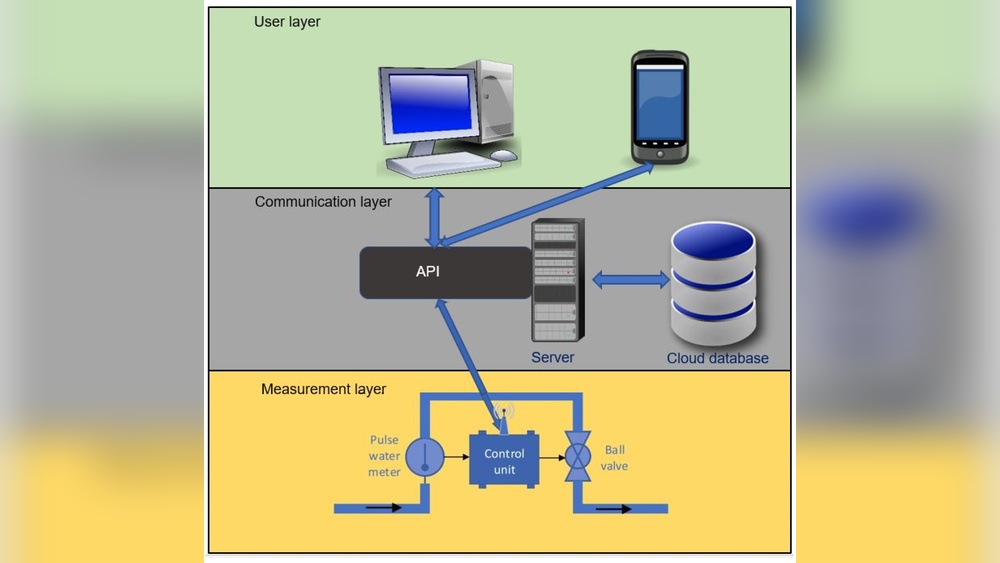
Washing machines are common in many homes. They help clean clothes quickly and easily. But, did you know that washing machines can use a lot of water? Water is a precious resource. Using too much water can harm the environment and increase bills. This is why smart washers are important.
Smart washers use technology to save water. They use only the water needed for each load. This is called water usage optimization. Let’s learn more about what it means and why it matters.
What Is Water Usage Optimization?
Water usage optimization means using water in the best way. The goal is to use less water but still clean clothes well. Smart washers do this by measuring how much water is needed. They fill the drum with just enough water. Not too much. Not too little.
Older washing machines often fill with a fixed amount of water. They do not change water level based on the clothes inside. This can waste water. New smart washers avoid this problem.

Credit: www.sciencedirect.com
How Do Smart Washers Save Water?
Smart washers use sensors and technology to control water use. Here are some ways they save water:
- Load Sensing: Sensors check the size of your laundry load. The washer then adds the right amount of water.
- Fabric Type Detection: Some washers detect the fabric type. They adjust water and wash time to protect clothes.
- Soil Level Sensing: The machine senses how dirty clothes are. It uses more water for very dirty clothes and less for lightly soiled ones.
- Eco-Wash Cycles: Special cycles use less water and energy. These cycles are good for lightly soiled clothes.
- Recirculation Technology: Some washers reuse rinse water. This lowers total water use.
Why Is Water Usage Optimization Important?
Saving water is important for many reasons:
- Protects the Environment: Less water use means less waste. It helps keep rivers and lakes clean.
- Reduces Bills: Using less water lowers your water bill. It also saves energy used to heat water.
- Conserves Resources: Water is limited. Using less water helps preserve it for future use.
- Supports Water Shortage Areas: Some places have water shortages. Smart washers help people in these areas save water.
How Smart Washers Measure Water Usage
Smart washers use different sensors and methods to measure water:
| Sensor Type | How It Works | Purpose |
|---|---|---|
| Load Sensor | Measures weight or size of clothes inside drum | Adjusts water amount based on load size |
| Soil Sensor | Detects dirtiness by checking water clarity | Changes water use and wash time |
| Water Level Sensor | Monitors water level inside the washer | Prevents overfilling or underfilling |
| Fabric Sensor | Identifies fabric type using moisture or pressure | Optimizes water and cycle for fabric care |
Benefits of Using a Smart Washer
Choosing a smart washer can bring many benefits. Here are some of the main advantages:
- Water Savings: Uses much less water compared to old machines.
- Lower Energy Use: Less water means less energy to heat it.
- Better Clothes Care: Adjusts washing to protect fabrics.
- Cost Savings: Saves money on water and energy bills.
- Eco-Friendly: Reduces impact on the environment.
- Convenience: Automatic settings make washing easier.
Tips to Optimize Water Use When Using Any Washer
Even with a smart washer, you can do more to save water. Follow these simple tips:
- Wash Full Loads: Always try to wash full loads. This saves water and energy.
- Choose Eco or Quick Cycles: Use shorter or eco-friendly cycles for lightly dirty clothes.
- Avoid Overusing Detergent: Too much detergent can need extra rinsing and water.
- Use Cold Water: Cold water uses less energy and is good for many clothes.
- Check Washer Settings: Select the right water level and cycle for your load.
- Maintain Your Washer: Clean filters and check hoses to keep washer efficient.
How Smart Washers Fit Into Water Conservation Efforts
Many countries face water shortages. Cities and governments ask people to save water. Smart washers help by reducing water use at home. When many people use smart washers, the total water saved is big.
Water conservation is important for future generations. Smart washers are one small step toward saving water daily.
Understanding the Cost of Smart Washers
Smart washers can cost more than regular machines. But, they save money over time. Lower water and energy bills add up. Plus, they last many years. Think of it as an investment in saving water and money.
Look for washers with good energy and water ratings. These machines use the least resources.

Credit: www.kgsappliances.com
Future of Smart Washer Water Usage
Technology keeps improving. New washers will use even less water. They will have better sensors and smarter controls. Maybe they will connect to your phone. You could see water use and control cycles remotely.
The goal is simple: clean clothes with less water. This helps the planet and your wallet.
Summary
Water usage optimization in smart washers means using water wisely. Smart washers use sensors to measure load size, dirtiness, and fabric type. They add only the water needed. This saves water, energy, and money.
Using a smart washer helps protect the environment. It lowers water bills and conserves resources. You can also help by washing full loads and using eco cycles.
Smart washers are a good choice for homes that want to save water. They show how technology can help us use resources better.
Frequently Asked Questions
How Does A Smart Washer Save Water?
Smart washers use sensors to measure load size and adjust water automatically.
Can Smart Washers Reduce Water Bills?
Yes, they use less water, which can lower your monthly water bills.
What Features Help Optimize Water Usage In Smart Washers?
Load sensors, eco modes, and cycle adjustments help save water efficiently.
Does Water Temperature Affect Smart Washer Water Usage?
Cold water cycles often use less water and energy than hot water cycles.