
Many homes today use smart kitchen systems. These systems help save energy. They also make cooking easier and safer. In this article, we will learn how smart kitchens help reduce energy use. You will see why these systems are good for your home and the planet.
What Are Smart Kitchen Systems?
Smart kitchen systems are tools and devices connected to the internet. They can talk to each other and to you. Examples are smart refrigerators, ovens, lights, and dishwashers. These devices use sensors and timers to work better. They help save energy and time.
Why Is Energy Efficiency Important?
Using less energy helps save money. It also helps protect the Earth. When we waste energy, we harm the environment. Reducing energy use lowers pollution and greenhouse gases. Smart kitchens help by using energy only when needed.
Ways Smart Kitchen Systems Save Energy
1. Smart Appliances Use Less Power
Smart kitchen appliances can control their energy use. For example, a smart fridge adjusts its cooling. It cools only when needed. This saves electricity compared to old fridges that run all the time.
Smart ovens can preheat only when you start cooking. They also stop heating once food is ready. This reduces wasted heat and power.
2. Timers And Scheduling Reduce Waste
Smart systems let you set timers. You can schedule appliances to run at certain times. For example, a dishwasher can run late at night. Electricity costs less during these hours. This saves money and energy.
Timers also prevent appliances from running too long. They stop machines when tasks finish. This avoids unnecessary power use.
3. Sensors Help Control Energy Use
Many smart kitchen devices use sensors. Sensors check if doors are open or closed. For example, a smart fridge alerts you if the door stays open. This stops cold air from escaping. It saves energy by keeping the fridge cold only when closed.
Motion sensors can turn off lights when no one is in the kitchen. This avoids wasted electricity from lights left on.
4. Energy Monitoring Shows Usage
Smart kitchens can track energy use. They show how much power each device uses. This helps you see which appliances use the most energy.
By knowing this, you can change habits. For example, you may decide to cook with less energy or at better times. This reduces your electricity bill.
5. Smart Lighting Saves Electricity
Kitchen lights use a lot of energy. Smart lighting systems use LED bulbs. LEDs use less power than regular bulbs. They also last longer.
Smart lights adjust brightness based on the time of day. They turn off automatically when no one is in the room. This keeps energy use low.
6. Water-efficient Smart Faucets Save Energy
Some smart kitchens have water-saving faucets. These faucets use sensors to control water flow. They stop water when you move away. This saves both water and energy.
Less hot water used means less energy for heating. This lowers your energy bill even more.
7. Smart Refrigerators Manage Cooling Better
Smart fridges adjust temperature based on how full they are. If the fridge is less full, it uses less power. It also learns your routine. It cools more when you open the door often.
Some models even suggest food storage tips to reduce waste. This helps keep food fresh longer, saving energy in the long run.
8. Remote Control Helps Save Energy
You can control many smart kitchen devices from your phone. This means you can turn off appliances when you forget. For example, if you leave the oven on by mistake, you can switch it off remotely.
This control helps avoid energy waste and accidents.
Benefits of Energy-Efficient Smart Kitchens
Smart kitchens offer many benefits besides saving energy. Here are some key points:
- Lower electricity bills: Using less power means spending less money.
- Better for the environment: Saving energy reduces pollution.
- Convenience: Smart systems make cooking and cleaning easier.
- Safety: Sensors and alerts help prevent accidents.
- Longer appliance life: Appliances work more efficiently and last longer.
Simple Tips to Use Smart Kitchens Efficiently
To get the most from smart kitchens, follow these simple tips:
- Check energy use reports regularly.
- Use timers and schedules for appliances.
- Keep fridge and oven doors closed.
- Turn off lights and appliances when not in use.
- Use energy-saving modes on appliances.
How Smart Kitchen Systems Compare to Traditional Kitchens
| Feature | Traditional Kitchen | Smart Kitchen |
|---|---|---|
| Energy Use | High and often wasted | Monitored and controlled carefully |
| Appliance Control | Manual only | Remote and automatic |
| Lighting | Often left on | Automatically adjusts and turns off |
| Water Use | Manual control | Sensor controlled |
| Energy Reports | Not available | Real-time monitoring |

Credit: blog.constellation.com
Future of Smart Kitchen Energy Efficiency
Smart kitchen systems keep improving. New technologies will use even less energy. We may see more devices working together. Kitchens will become smarter and greener.
Using smart kitchens now helps prepare for a better future. It saves money and protects the Earth at the same time.

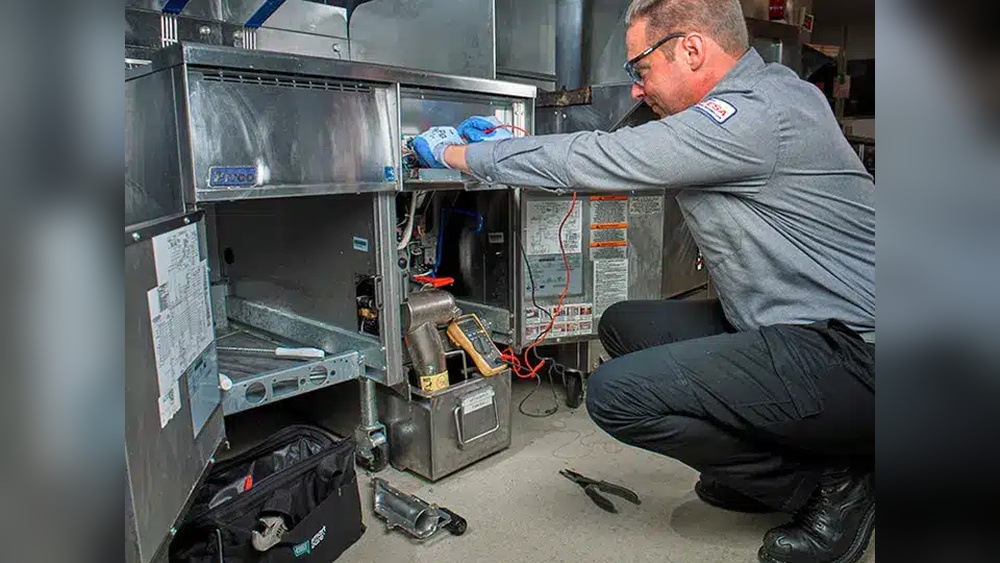
Credit: accurateairac.com
Frequently Asked Questions
How Do Smart Kitchen Systems Save Energy Daily?
Smart kitchen systems use sensors and timers to reduce power use and waste.
Can Smart Kitchens Reduce Electricity Bills Effectively?
Yes, they optimize appliance use, lowering overall energy consumption and costs.
What Smart Devices Improve Kitchen Energy Efficiency?
Smart refrigerators, ovens, and lighting systems help control energy better.
Do Smart Kitchen Systems Lower Carbon Footprint?
They reduce energy waste, which helps cut down harmful emissions.
Conclusion
Smart kitchen systems help save energy in many ways. They control appliance use, lighting, and water. They also give useful information about energy use. Using these systems reduces costs and helps the environment.
If you want a kitchen that is easy to use and energy efficient, smart systems are a good choice. They help make homes safer, cleaner, and more comfortable. Smart kitchens show how technology can help everyday life.